The Significant Advantages of Pulsed Laser Cleaning Machines



Source:razorteklaser Time:2026-05-18
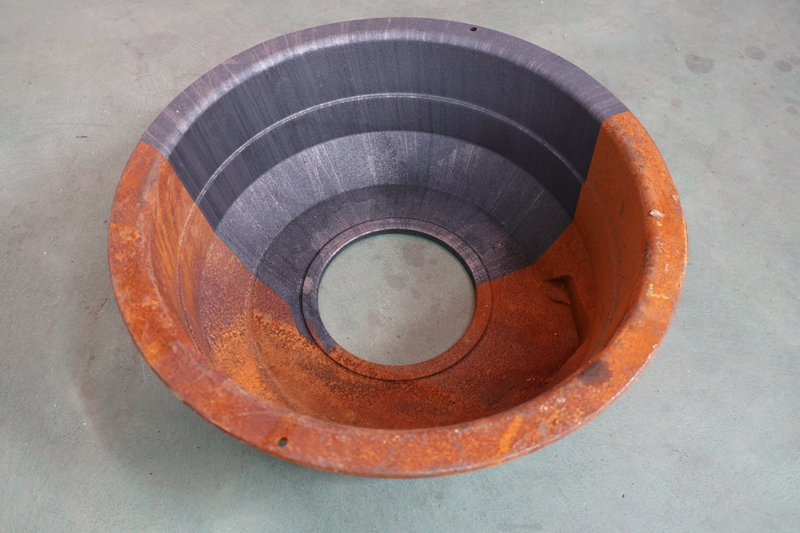
A laser cleaning machine is a powerful, green, energy-efficient, and highly effective industrial tool that utilizes a high-energy-density laser beam to irradiate a workpiece surface, causing surface contaminants—such as dirt, rust spots, or
coatings—to instantly evaporate or peel away, thereby achieving a thorough cleaning effect. In practical applications, it can rapidly remove paint, rust, oxides, grease, and oil stains.
Based on the physical effects of laser-matter interaction, this innovative technology differs fundamentally from traditional mechanical, chemical, and ultrasonic cleaning methods (wet cleaning processes). It requires no ozone-depleting
CFC-based organic solvents; it is pollution-free, noiseless, and poses no harm to human health or the environment, making it a truly green and eco-friendly cleaning technology.
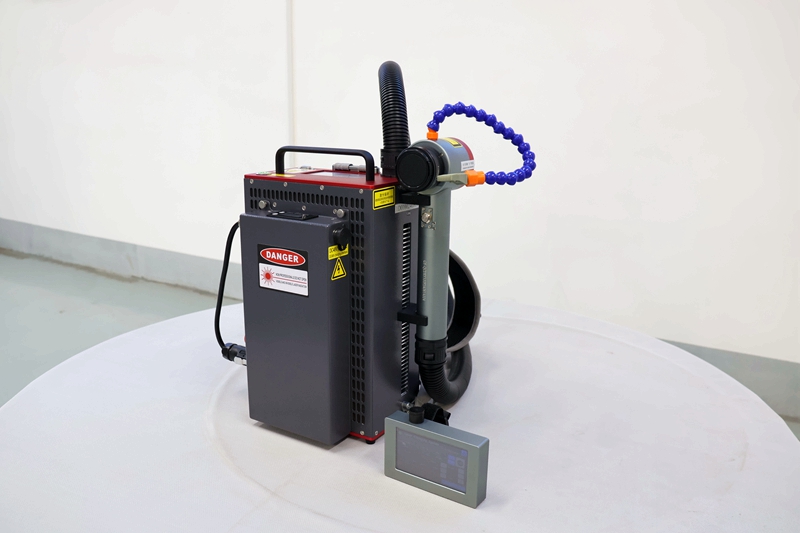
Laser cleaning machines generally fall into two categories: continuous-wave laser cleaners and pulsed laser cleaners. To begin, let us first examine the key differences between continuous-wave lasers and pulsed lasers.
The primary distinction between pulsed lasers and continuous-wave lasers lies in their output waveforms:
1. Pulsed Lasers:
A pulsed laser emits light in the form of discrete pulses. Its output waveform consists of a series of short, intense light bursts characterized by extremely high energy levels concentrated within very brief durations. These lasers feature high
peak power, minimal thermal impact on the workpiece, and high precision, making them ideally suited for micro-processing applications. They are widely utilized across various industrial sectors, including laser marking, laser cutting, and laser
welding.
2. Continuous-Wave Lasers:
A continuous-wave laser emits a stream of light that oscillates continuously, producing a steady, uninterrupted output waveform. It generates a stable beam of light without any discernible intervals between pulses. Given its relatively stable
output power, it is best suited for applications requiring a consistent, long-duration light source. Continuous-wave lasers are extensively employed in the medical and scientific fields for applications such as laser therapy, metrology, detection,
and optical imaging.
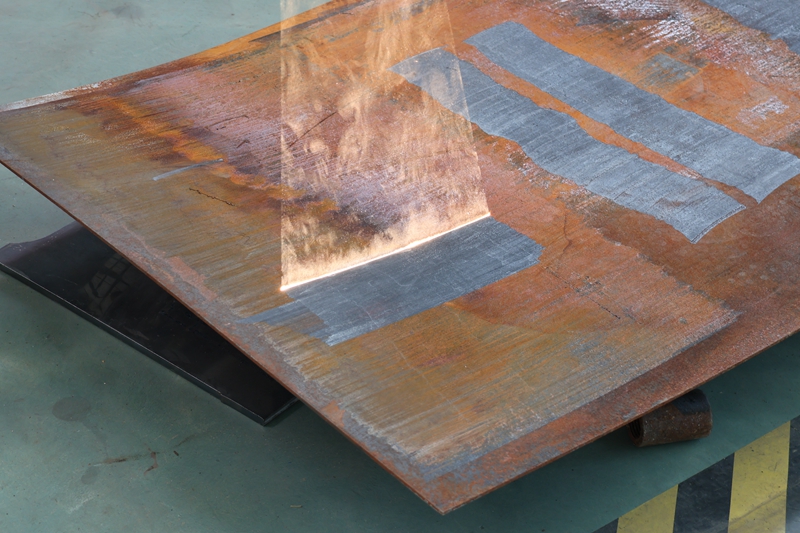
Regarding laser cleaning applications: for large-area cleaning tasks—such as removing extensive rust—continuous-wave laser cleaning is typically the preferred method. Conversely, for cleaning delicate artifacts, non-metallic materials, molds,
or any object where preserving the integrity of the material surface is paramount, pulsed laser cleaning is the required approach.
Pulsed Laser Cleaning Machines Offer Significant Advantages Over Traditional Cleaning Methods:
1. High Efficiency:
Pulsed laser cleaning equipment can rapidly remove substantial amounts of contaminants within a very short timeframe, thereby significantly boosting cleaning efficiency. The combination of the laser beam's high energy density and short
pulse duration renders the cleaning process both swift and highly effective.
2. Non-destructive Nature:
During the pulsed laser cleaning process, the interaction forces between the laser beam and the surface of the object being cleaned are minimal, ensuring that no damage is inflicted upon the object's surface. The short-pulse characteristics
and high energy density of the laser pulses result in negligible thermal impact on the object's substrate, thereby preventing the thermal damage often associated with traditional cleaning methods.
3. Environmental Friendliness:
The pulsed laser cleaning process requires no chemical cleaning agents, thereby reducing environmental pollution. It leverages the interaction between the laser beam and contaminants—utilizing mechanisms such as photothermal,
photochemical, and photomechanical effects—to rapidly decompose and strip away contaminants, thereby achieving a thorough cleaning result. This constitutes an eco-friendly and pollution-free cleaning method.
4. Broad Applicability:
Pulsed laser cleaning equipment is suitable for cleaning the surfaces of objects of various materials and shapes, including metals, non-metals, flat surfaces, and curved surfaces. This versatility endows it with extensive potential for application
within industrial manufacturing settings.