Key Factors Affecting Cutting Quality of Fiber Laser Cutting Machines



Source:razorteklaser Time:2026-05-27
In modern industrial manufacturing, fiber laser cutting machines have revolutionized sheet metal processing with their high speed, precision, and efficiency. At Razortek – a leading manufacturer and exporter of fiber laser welding machines,
cleaning machines, cutting machines, and other laser equipment – we understand that achieving superior cut quality is not automatic. Several critical factors must be carefully controlled to ensure clean, precise, and consistent results. Below,
we explore the most influential elements that determine the cutting performance of a fiber laser cutting system.
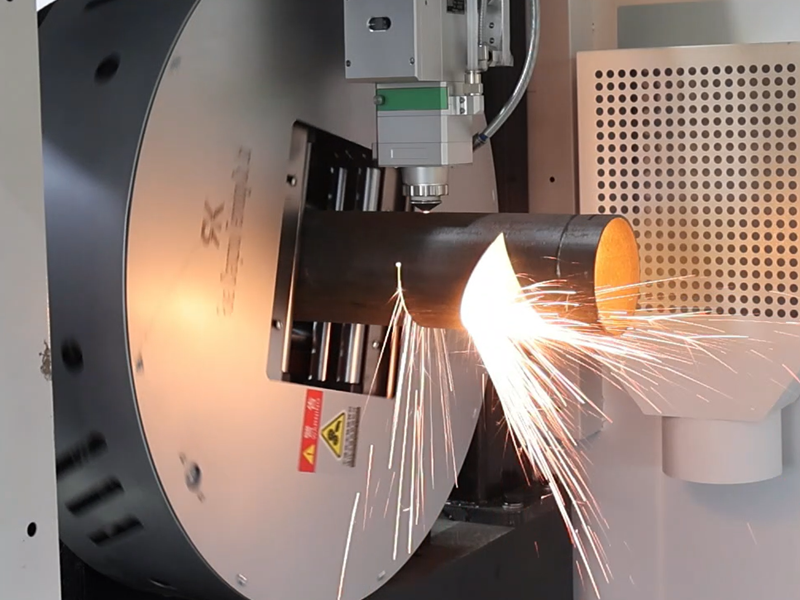
1. Laser Power and Beam Quality
Laser power directly determines the cutting thickness and speed. Higher power allows cutting of thicker materials and faster processing, but excessive power can cause excessive melting or rough edges. Beam quality affects focus spot size and
energy distribution. A high-quality beam with a small focus spot produces narrower kerfs, smoother edges, and higher precision. Razortek's fiber laser cutters are engineered with stable, high-brightness laser sources to maintain optimal beam
quality across a wide power range.
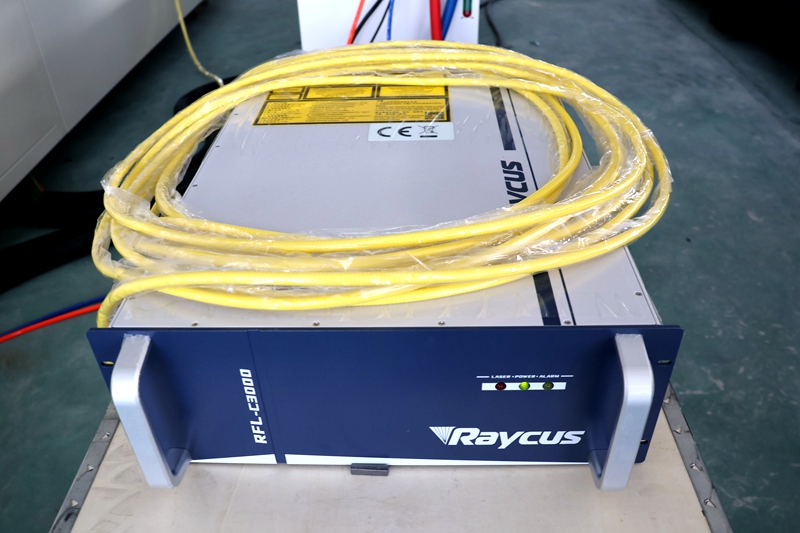
2. Focal Position and Depth of Focus
The position of the laser focal point relative to the workpiece surface is crucial. Typically, the focal point is set slightly below the surface for mild steel or exactly on the surface for stainless steel. An incorrect focal point leads to increased kerf
width, rough cut edges, or incomplete penetration. The depth of focus (Rayleigh length) also matters: a longer depth of focus allows thicker materials to be cut with consistent quality, while a shorter focus provides higher energy density for
thin, precise cutting. Adjustable focusing heads on Razortek machines enable operators to fine-tune the focal position for different materials and thicknesses.
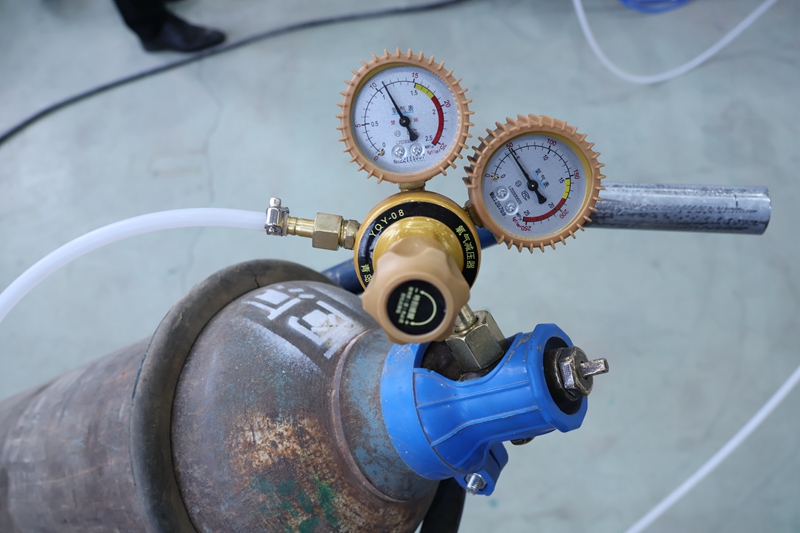
3. Assist Gas Type and Pressure
Assist gas serves multiple purposes: expelling molten material, shielding the cut zone from oxidation, and cooling the cutting edge. Common gases include oxygen (promotes oxidation for mild steel cutting), nitrogen (prevents oxidation for
stainless steel and aluminum, producing clean, burr-free edges), and compressed air (cost-effective for less demanding applications). Gas pressure and purity significantly affect cut quality. Too low pressure fails to remove slag, while too high
pressure can cause turbulent flow and rough edges. Razortek systems integrate precise gas control valves to maintain optimal flow for each application.
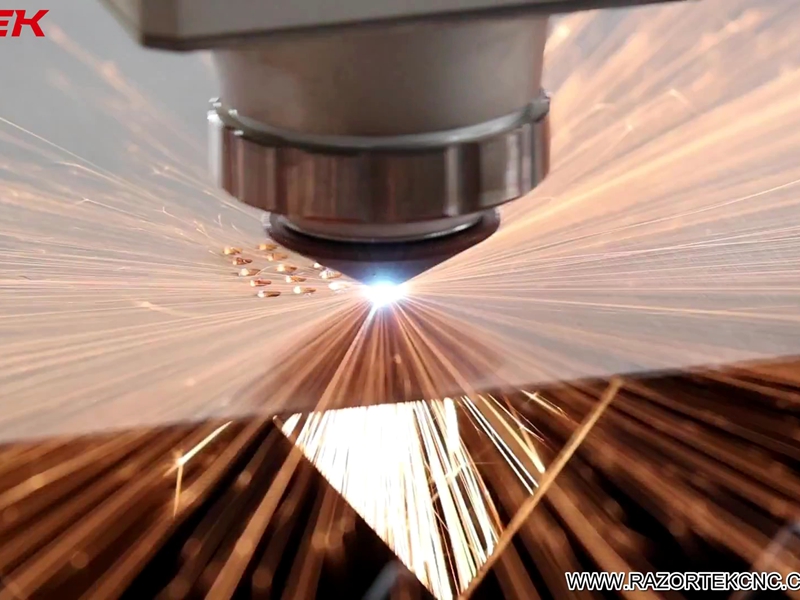
4. Cutting Speed
Speed is a delicate balance. If the speed is too high, the laser does not fully penetrate the material, resulting in incomplete cuts or excessive dross. If too slow, excessive heat builds up, widening the kerf, creating rough edges, and even
warping thin materials. Optimal cutting speed depends on material type, thickness, laser power, and assist gas. Modern CNC controls on Razortek machines automatically adjust speed based on real-time feedback to maintain consistent
quality.
5. CNC Motion System Accuracy
Precise beam positioning relies on the motion control system – including servo motors, linear guides, and ball screws. Backlash, vibration, or poor acceleration/deceleration profiles create jagged cuts, corner overshoot, or dimensional errors.
High-rigidity gantry structures and closed-loop encoders (standard on Razortek cutting systems) ensure ±0.02 mm positioning accuracy and smooth contouring even at high speeds.
6. Piercing Parameters and Lead-In Techniques
The initial piercing of thick plates can affect subsequent cut quality. Improper piercing (e.g., too long or too high power) causes molten material to splash onto the top surface or nozzle, leading to edge defects. Optimized pulse piercing,
ramped power, or adaptive piercing routines reduce such issues. Razortek’s control software includes material-specific piercing tables and lead-in options (e.g., quarter-circle or straight) to minimize entry burrs.
Achieving premium cut quality from a fiber laser cutting machine demands holistic attention to laser parameters, gas settings, material preparation, and mechanical precision. At Razortek, we design and manufacture our laser equipment with
these factors in mind – delivering robust, user-adjustable solutions backed by comprehensive technical support. Whether you are cutting automotive parts, HVAC components, or industrial enclosures, understanding and controlling these key
variables will help you maximize productivity and part quality.
For more information on Razortek's fiber laser cutting machines, welding systems, or cleaning solutions, please contact our sales team or visit our website. Let us help you master the art of laser processing.