Application of Laser cutting Machine in Elevator equipment Manufacturing



Source:razorteklaser Time:2026-08-12
The elevator manufacturing and component industries are entering a new phase of development, with the demand for elevator equipment and parts steadily rising. Consequently, laser cutting technology—renowned for its high speed,
precision, and efficiency—is being widely adopted across the sector.
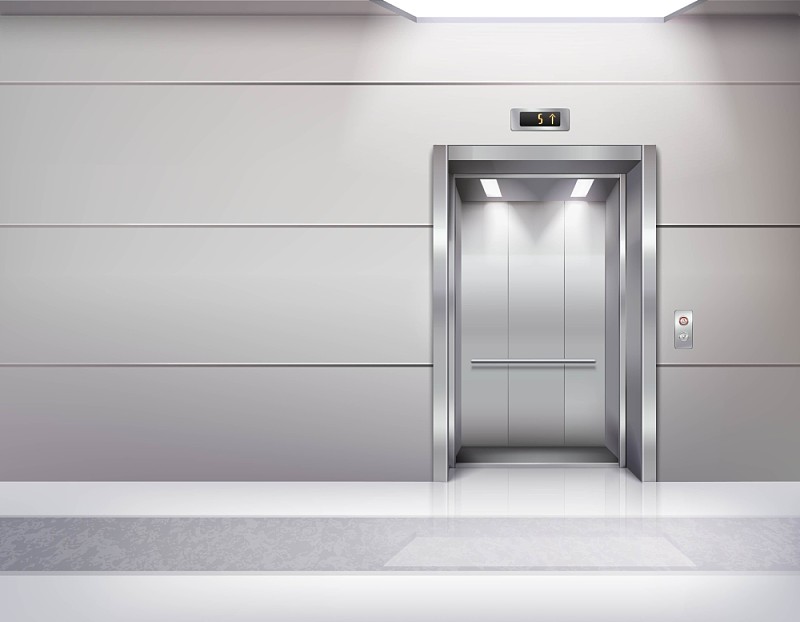
Take elevator sheet metal processing as an example: more manufacturers are selecting laser cutting machines as their primary production equipment for components such as fishplates, elevator door panels, escalator parts, and door assemblies.
In the past, sheet metal processing involved complex mold design and fabrication—a labor-intensive, time-consuming, and costly process. Today, most companies utilize laser cutting machines because they eliminate the constraints associated
with molds, offering great flexibility in cutting scope and patterns. High-speed sheet metal cutting can be achieved without molds, drastically reducing both processing time and costs.
It is well known that laser cutting machines offer advantages such as high cutting speeds, superior cut quality, and high production efficiency. Their application in the elevator industry has not only improved manufacturing quality but also
demonstrated to manufacturers that enhancing equipment automation and intelligence is essential for flexibly handling diverse production tasks and boosting overall capacity.
What are the specific advantages of laser cutting machines in the elevator manufacturing industry?
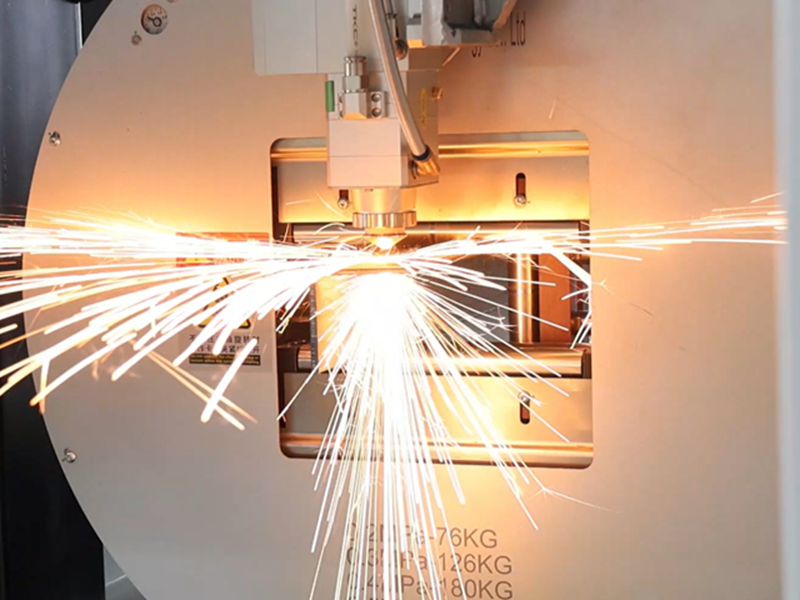
1. Short processing cycles
There is a wide variety of elevator sheet metal components, many of which require customization based on specific customer needs. Traditional methods often struggled to process certain sheet metal parts due to limitations regarding press
tonnage and mold availability. Mold-based production involves long lead times, complex programming, and high demands on operators. In contrast, laser cutting machines break free from the constraints of traditional cutting methods,
enabling flexible metal processing and reducing production costs.
2. Excellent Cutting Quality
Stainless steel decorative panels require high surface finishes, with cut lines that are flat, smooth, and aesthetically pleasing. Multi-station stamping often significantly compromises the surface finish of the material. As a laser-based process free
from mechanical stress, laser cutting prevents deformation during the cut, thereby improving the quality of elevator sheet metal components and enhancing the enterprise's core competitiveness.
3. High Flexibility
As aesthetic standards rise, product styles and varieties have become increasingly diverse. However, conventional processing methods struggle to meet the demands posed by high production volumes and complex shapes. Laser cutting
machines feature high levels of automation and intelligence, allowing for the processing of various irregularly shaped workpieces; this effectively reduces operator labor intensity and optimizes production workflows.
Furthermore, laser cutting offers advantages such as structural rigidity, operational stability, high cutting speeds, precision, and superior processing efficiency, making it the ideal choice for processing various metal sheets, including carbon
steel and stainless steel.