Daily Maintenance of Fiber Laser Tube Cutting Machines: 7 Key Maintenance Points



Source:razorteklaser Time:2026-09-29
Fiber laser tube cutting machines are precision equipment central to tube processing; their accuracy and service life are closely linked to daily maintenance. Many processing enterprises engage in long-term, high-intensity production while
neglecting standardized maintenance, leading to reduced cutting quality, accelerated component wear, and higher equipment failure rates. This article details daily maintenance methods for fiber laser tube cutting machines to help enterprises
stabilize production capacity and reduce operation and maintenance costs.
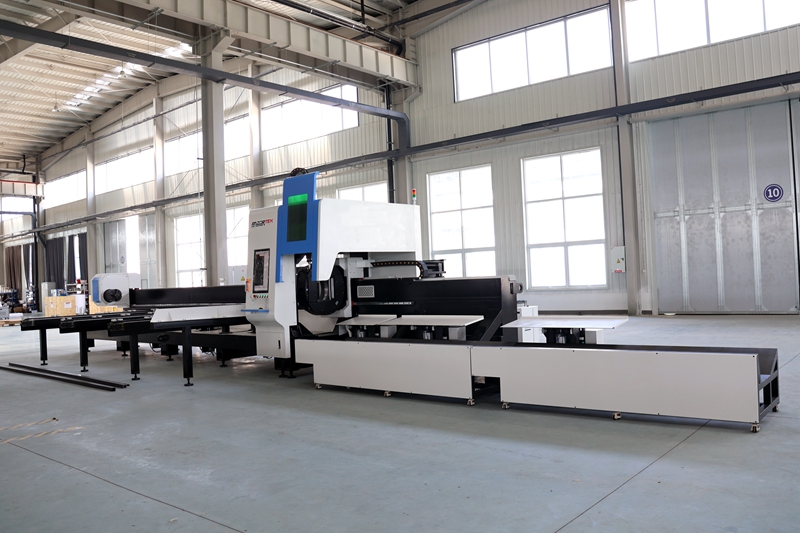
I. Neglected Maintenance Can Lead to Multiple Production Risks
During mass tube processing, continuous equipment operation generates significant amounts of metal chips, dust, and oil residue. Without regular cleaning and maintenance, these impurities accumulate on critical components—such as the
chuck, guide rails, and cutting head—causing various processing issues.
Chip accumulation on chuck jaws can lead to unstable clamping, slippage, and misalignment, resulting in dimensional errors. Dust accumulation and wear on guide rails and lead screws reduce positioning accuracy and cause jerky operation.
Contaminated cutting head lenses weaken laser energy, leading to increased dross and burrs on cut surfaces; in severe cases, this can cause lens burnout and emergency equipment shutdowns, directly disrupting workshop operations and
increasing rework and repair costs.
II. Seven Standardized Maintenance Methods for Fiber Laser Tube Cutting Machines
1. Cutting head lens cleaning and maintenance.
Check the condition of the protective lens daily; promptly clean or replace it if stains or spots appear. Use specialized dust-free tools for wiping to ensure pure and stable laser output.
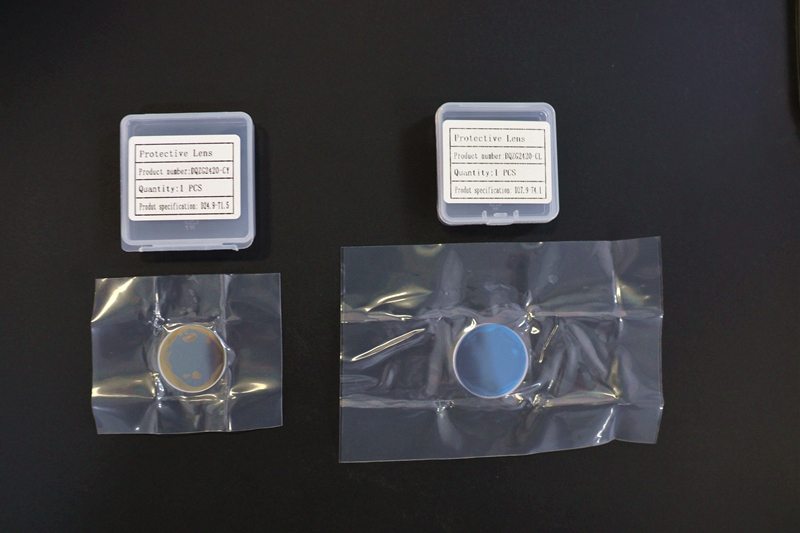
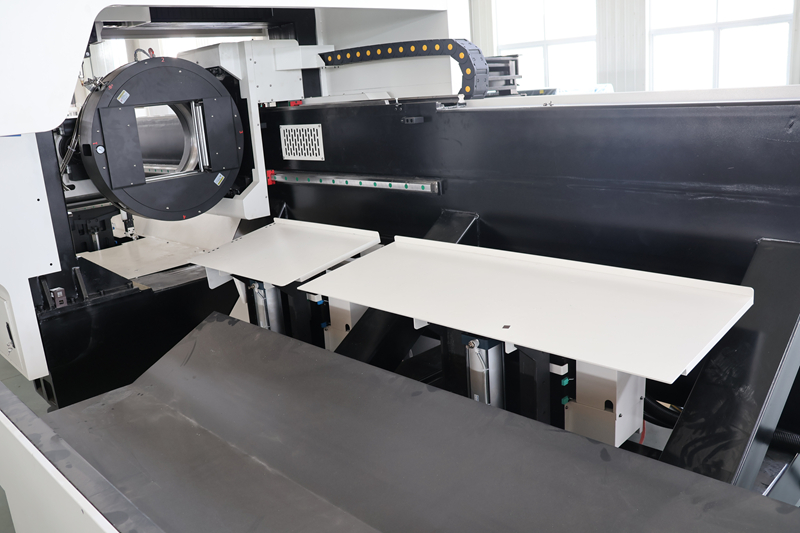
2. Rotary chuck cleaning and lubrication.
Clean metal chips and debris from the chuck jaws daily and apply grease regularly to ensure smooth jaw movement and precise, secure clamping, preventing tube slippage or misalignment.
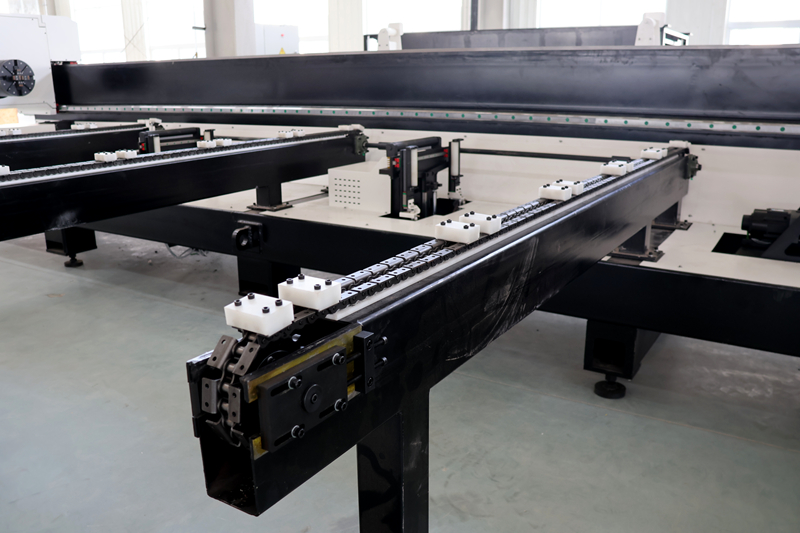
3. Guide rail and lead screw dust removal and maintenance.
Regularly clean dust and metal chips from the surfaces of guide rails and lead screws, and apply lubricant on schedule to ensure smooth transmission and maintain high-precision positioning over the long term.
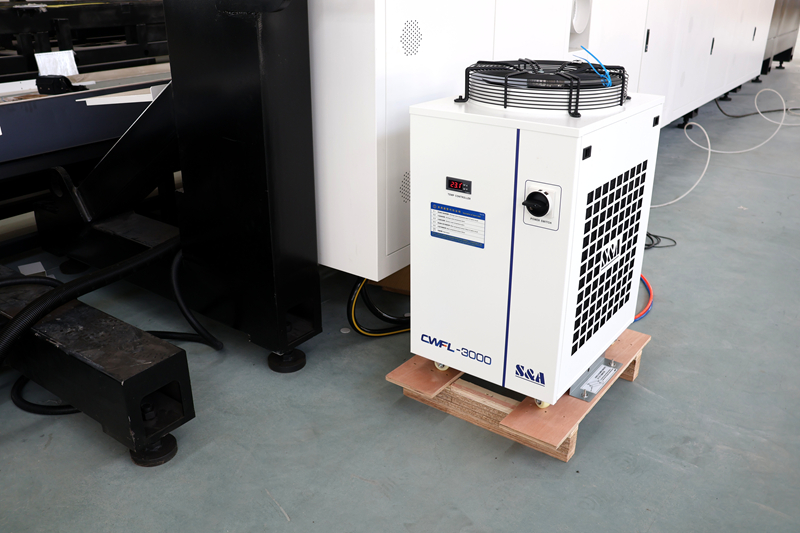
4. Regular inspection of the water cooling system.
Monitor the cooling water temperature, water level, and water quality; replace the purified water periodically to prevent laser overheating alarms and ensure stable laser power output.
5. Gas supply system inspection and maintenance.
Check the air compressor, filters, and pipelines for moisture to ensure a clean, dry gas supply; this effectively improves cut-surface quality and reduces oxidation and dross formation.
6. Electrical cabinet dust control and heat dissipation.
Regularly clean the electrical cabinet's filter screens and remove internal dust to ensure proper heat dissipation and prevent circuit failures caused by dust accumulation.
7. General equipment cleaning.
Promptly remove scrap and dust from the worktable and machine body to minimize wear on components caused by debris and extend the equipment's overall service life.
III. Comparison of equipment performance before and after maintenance
Equipment that is not maintained on schedule experiences significant precision degradation over time, resulting in unstable cutting quality, fluctuating yield rates, rapid consumption of wear parts, and frequent downtime for repairs—all of
which severely impact mass production efficiency.
Fiber laser tube cutting machines that undergo consistent, standardized daily maintenance operate more smoothly with stable cutting precision; they produce clean, burr-free cut surfaces and offer greater consistency in batch processing. The
equipment failure rate is significantly reduced, component lifespan is effectively extended, and the machine can meet the factory's high-intensity production demands.
In summary, systematic daily maintenance is key to extending the service life of fiber laser tube cutting machines, stabilizing product quality, and reducing production costs. If you have any questions regarding equipment maintenance or laser
tube cutting processes, please feel free to contact us at any time.