Energy Storage Welding Technology



Source:razorteklaser Time:2026-10-10
Energy storage welding is a welding technique that uses capacitors to store electrical energy and releases pulsed current instantaneously to achieve local metallurgical bonding. The process relies on the rapid charging and discharging of
capacitors to generate momentary high temperatures, melting and fusing the welding material with the workpiece at the point of contact while minimizing the overall heat-affected zone. This technology is primarily employed for mold repair
and precision welding applications in sectors such as aerospace and automotive manufacturing.
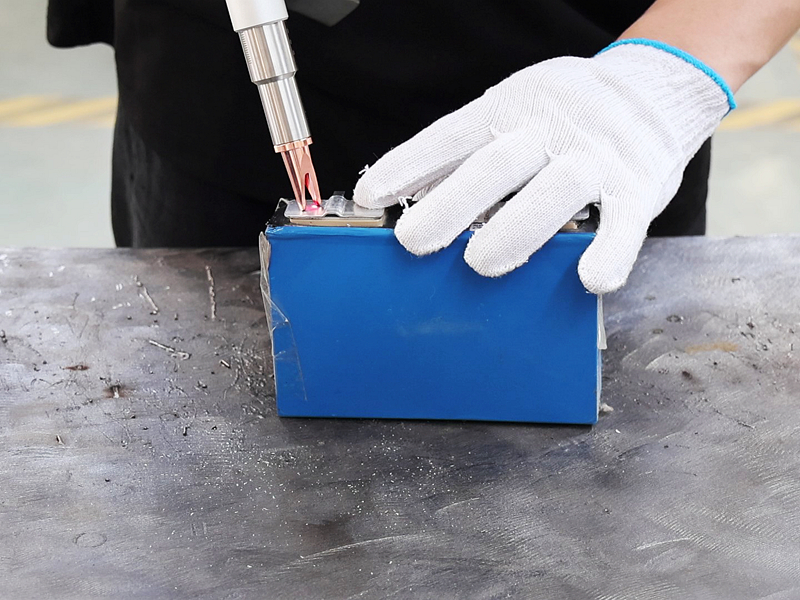
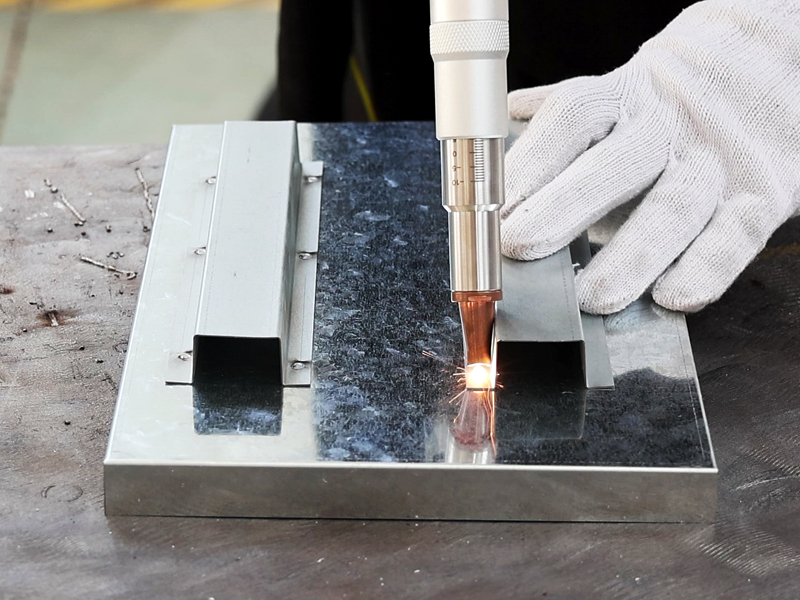
Energy storage welding technology has evolved from traditional high-voltage energy storage equipment to low-voltage digital systems. Early equipment relied on high-voltage energy storage, which entailed issues such as bulky dimensions
and significant operational risks. Since 2006, newer systems have incorporated low-voltage capacitor banks and IGBT power switches, utilizing microcontroller-based control systems to enable constant-current regulation and remote operation.
Modern energy storage welding machines can release tens of thousands of amperes of current in 0.01 seconds through synchronous discharge of capacitor arrays, shortening the welding cycle to less than 0.1 seconds, and are widely used in
precision manufacturing fields such as new energy vehicle battery packs.
Advantages:
1. Limited heat-affected zone:
Energy-storage welding transforms point contacts into surface bonds; the discharge duration is short (typically less than 20 milliseconds), resulting in minimal heat impact, which helps reduce deformation and discoloration of the welded parts.
2. Metallurgical bonding at weld points:
During welding, the temperature in the contact area between the welding material and the workpiece is high, enabling the formation of a metallurgical bond at the weld points.
3. High adaptability to welding material shapes:
Conductive materials—such as stainless steel or spring steel strips—can be used as welding materials. These can be cut to fit the specific shape of the area to be welded prior to the process, thereby minimizing damage to the base surface and
reducing the need for post-weld machining.
4. Energy-storage welding offers distinct advantages regarding machining precision and resource utilization, while producing high-strength welded joints. This process is suitable for welding materials such as low-carbon steel, stainless steel,
copper, and their alloys.
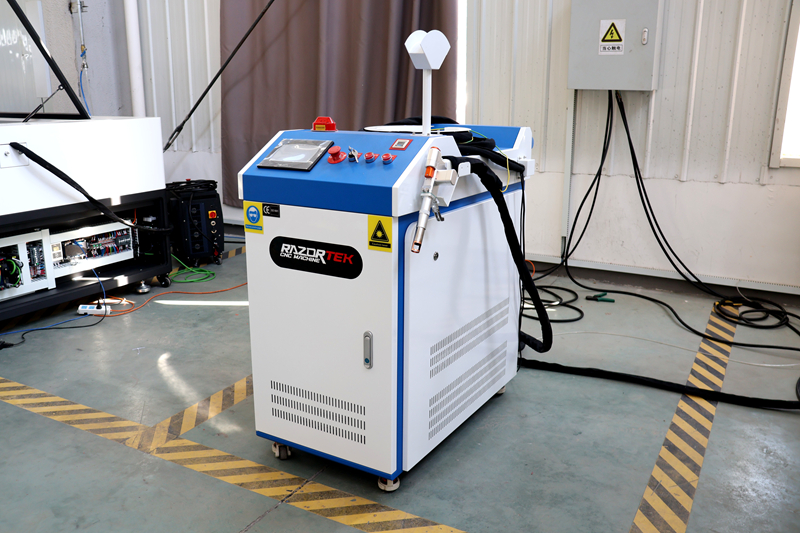
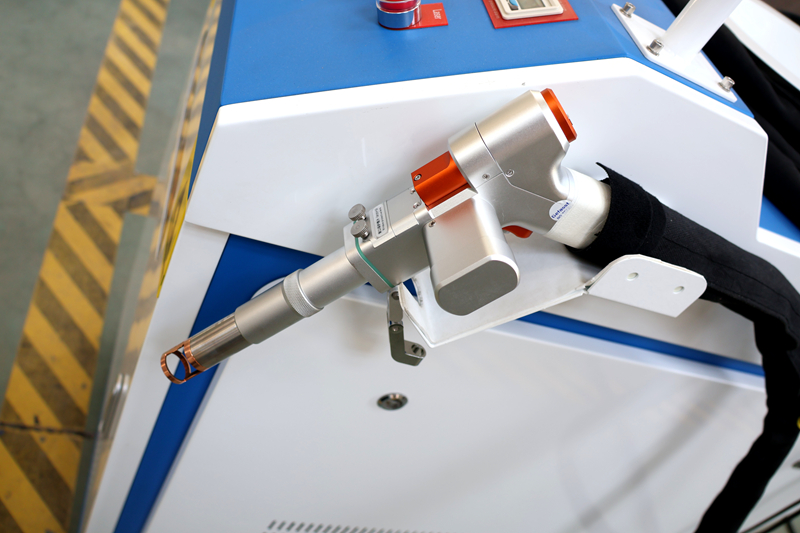
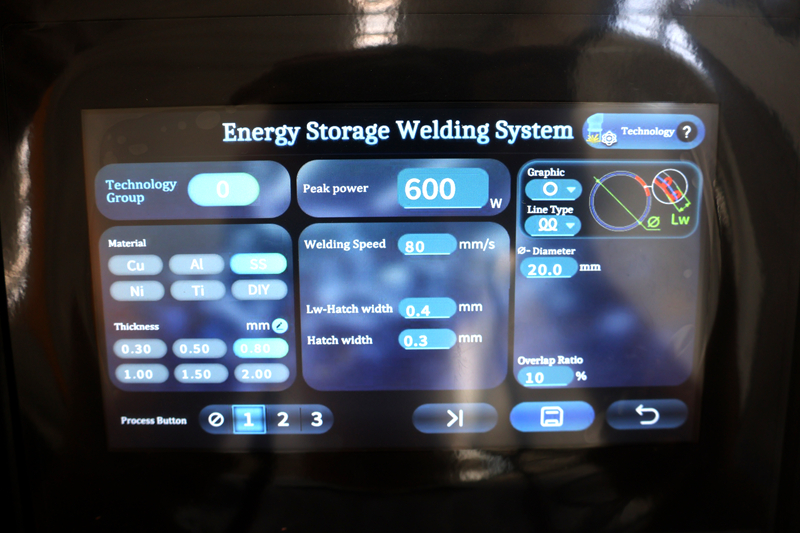
Razortek 5in1 fiber laser welding machine uses an energy storage welding system, can achieve five functions: energy storage welding, handheld welding, cleaning, cutting, and cleaning weld seams.
Whether you're looking to upgrade your production line or explore cutting-edge laser technology, our team is ready to help you find the perfect solution.
If you have any questions, reach out to us at email: sales@razortekcnc.com for inquiries, quotes, or technical support!
- Pre: Razortek's Factory Has Resumed Normal Operations!
- Next:没有了!