Maintenance Measures For Fiber Laser Cutting Machine In Winter



Source:razorteklaser Time:2026-10-30
During the winter months, it is important to take special care of your laser cutting machines to ensure they continue to operate effectively. Cold temperatures and harsh weather conditions can have a significant impact on the performance and
lifespan of these machines. In this article, we will discuss the necessary steps for winter maintenance and care of laser cutting machines to keep them in optimal condition during cold months.
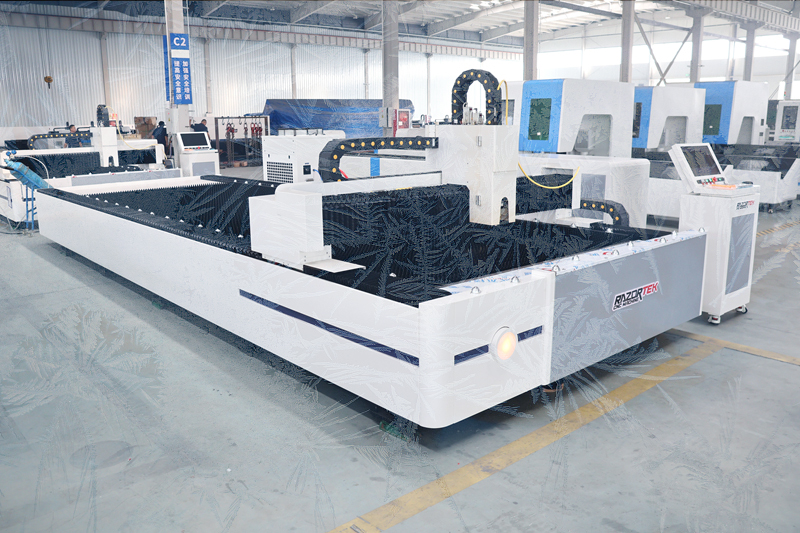
Anti freezing principle of laser equipment
Cooling water has a 'freezing point'. When the temperature of the cooling water is below the "freezing point", the solidification and expansion of the cooling water can cause the overcurrent components in the laser cooler system, such as
water-cooled plates, water separators, etc., to expand, deform, crack, and even damage optical components, resulting in the laser needing to be returned to the factory for repair. In severe cases, it may even lead to the scrapping of the laser.
It is necessary to pay attention to and take effective anti freezing measures for the use of lasers in winter.
Laser working temperature requirements
The laser needs to reach a certain temperature to function properly. The working environment temperature of the laser is controlled at around 22 ℃, the low-temperature water temperature of the chiller is controlled at 20-24 ℃, and the
high-temperature water temperature is controlled at 28-30 ℃.
Before laser emission, the chiller needs to run for more than 20 minutes. If the laser alarm sounds immediately after turning on, or if it cannot be turned on, please turn on the system or chiller for water temperature preheating (5-10 minutes).
When the temperature reaches 20 degrees or above, the chiller can be turned on to ensure that the actual temperature reaches the set temperature.
Anti freezing measures for laser equipment
1. Ensure the ambient temperature
Under permissible conditions, use heating facilities to maintain the working environment temperature of the laser above 0 ℃, and generally set the appropriate temperature above 5 ℃.
2. Keep the chiller running continuously
In areas without power outages, the chiller can operate continuously, and both low-temperature and normal temperature water can be set at around 5 ℃ (ensuring that the cooling water is above freezing point and saving energy).
3. Drain the cooling water from the machine
After each use, please pour out the cooling water from the laser and chiller.
Remove the water pipe at the inlet of the chiller, and then ventilate the water inlet (water IN) with compressed gas until the residual water inside the chiller is blown out.
Remove the water pipe at the inlet of the laser, and then ventilate the inlet with compressed gas (water IN) until residual water in the internal water-cooled pipeline of the laser is blown out from the outlet. Then use a water pipe (or rubber
plug) to block the inlet and outlet to prevent dust from entering the interior of the water pipe.
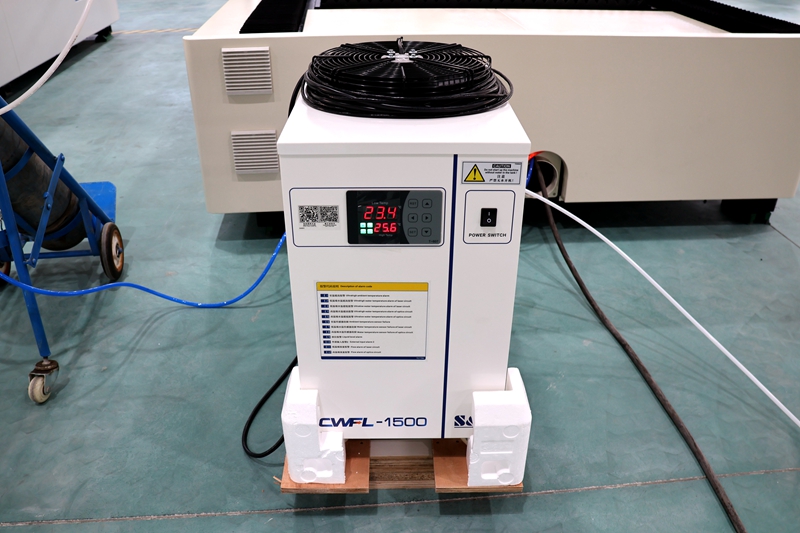
4. Use antifreeze instead of cooling water
When the operating environment frequently experiences power outages and does not have the conditions for daily drainage, antifreeze must be used. Be sure to use laser equipment specific antifreeze, and it is strictly prohibited to add car
antifreeze!
Finally, If the laser cutting machine is not used for a long time, any cooling water passing through, especially the cooling liquid in the laser cavity and pipeline, must be completely drained. You can use compressed air to blow out the water
inside and completely drain it. For laser cutting machines in use, it is recommended to keep the chiller running for 24 hours to ensure internal circulation of cooling water.
- Pre: Razortek 2026 New Portable Air Cooled Fiber Laser Welder
- Next:没有了!