How to deal with broken optical fiber of a fiber laser?



Source:razorteklaser Time:2026-11-04
A fiber laser is a laser that uses a rare-earth-doped glass fiber as its gain medium. Fiber lasers have a wide range of applications, including fiber-optic telecommunications, long-distance free-space optical communication, industrial shipbuilding,
automotive manufacturing, laser engraving, laser marking, laser cutting, laser welding, defense and national security, medical devices and equipment, and large-scale infrastructure projects. If a fiber laser is handled or operated improperly, the
optical fiber may break. Can you repair it yourself in such a case? The answer is no!
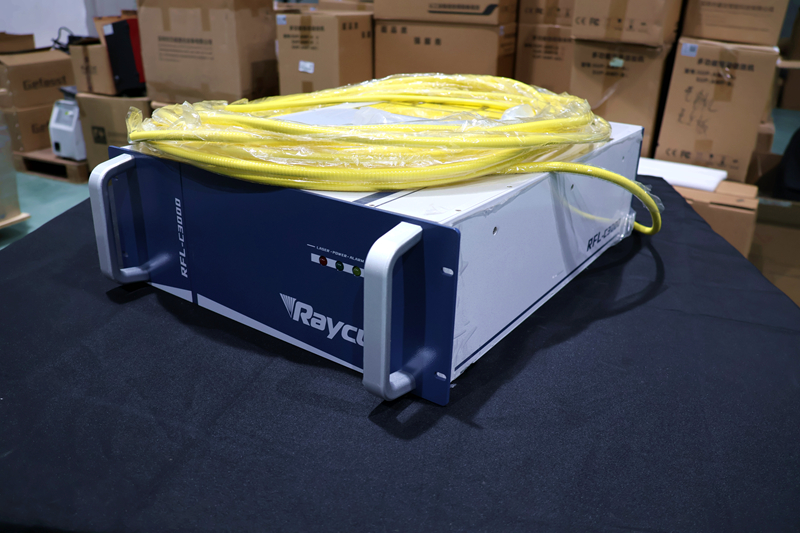
I. Why shouldn't you attempt to repair a fiber laser's optical fiber yourself?
1. High-precision requirements
The core diameter of an optical fiber used in a laser is only 5–20 μm. Splicing requires an alignment precision of better than 0.1 μm. Most users lack the specialized fusion splicers and fiber cleavers necessary to achieve such precise alignment.
2. Material characteristics
High-power laser transmission fibers are typically made of silica glass. When they break, micro-cracks often form at the fracture surface. Attempting a repair yourself can lead to stress concentration, causing the fiber to break again.
3. Certification and warranty restrictions
Manufacturers and equipment vendors typically enforce strict certification standards for fiber-optic links. Performing repairs yourself may void the equipment warranty.
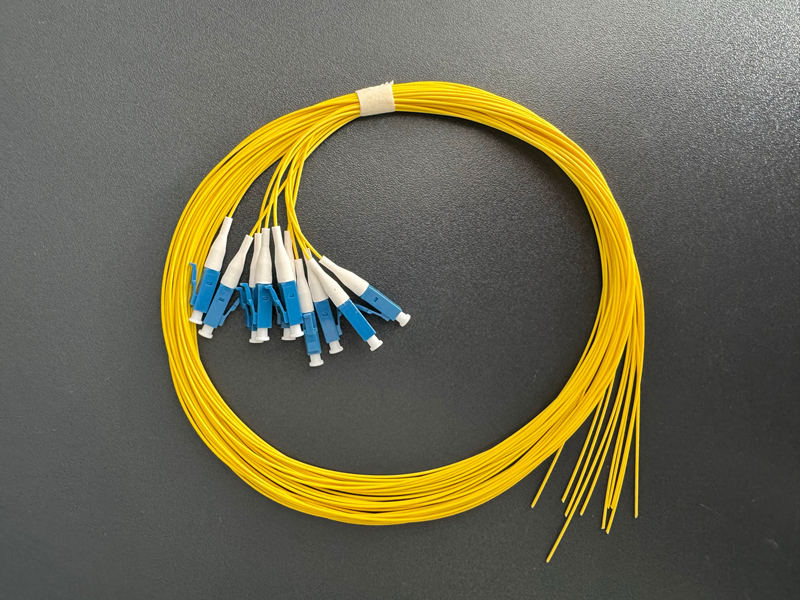
II. Risks of attempting a DIY repair
1. Excessive power loss
"Cold" splicing methods typically result in a loss of 0.3–0.5 dB, which can reduce the laser's output power by 15%–30%, negatively affecting processing precision or experimental stability.
2. Safety hazards
An improperly sealed splice can reach high local temperatures (>300°C), which may burn the fiber coating or even ignite surrounding equipment. Furthermore, bubbles or impurities trapped during the splicing process can scatter laser energy, creating a risk of optical radiation leakage.
3. Equipment damage
A poor-quality splice can cause reflected light to travel back into the laser's resonant cavity, potentially damaging the laser diodes or optical coatings.
III. Measures for Effective Optical Fiber Protection
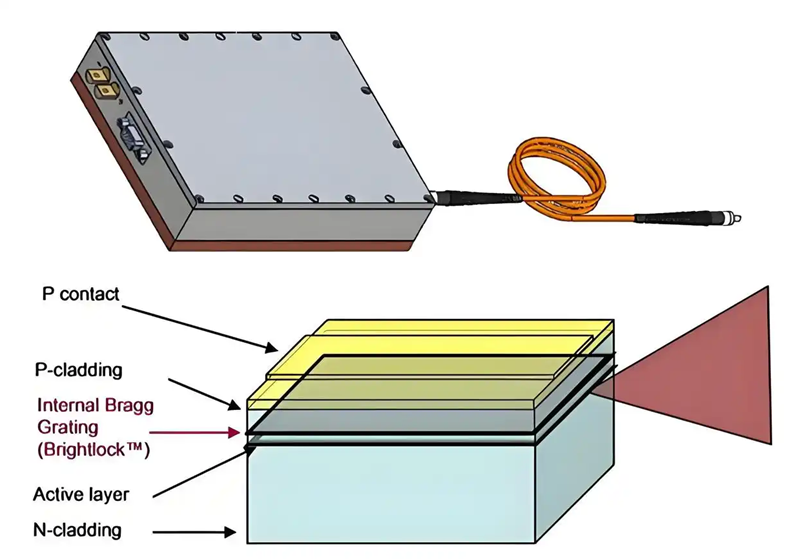
1. Protective Design
Use armored optical fibers (compressive strength >1000 N/cm²) or fiber patch cords equipped with spring-loaded protective sleeves.
Ensure a bend radius of >3 cm during installation and routing; avoid sharp-angle bends.
2. Environmental Management
Maintain an operating temperature between -20°C and 60°C, with humidity levels below 75%.
Clean connector end-faces monthly using 99.9% pure alcohol to prevent dust accumulation, which can lead to thermal damage (ablation).
3. Operational Protocols
Apply force vertically when inserting or removing connectors; avoid lateral pulling (tensile force must be <5 N).
When not in use for extended periods, protect the interfaces with nitrogen-purged dust caps.
Summary and Recommendations
Maintenance of optical fibers for high-power lasers should adhere to the following:
1. Non-professional personnel are strictly prohibited from performing fiber splicing; please contact the manufacturer for such procedures.
2. Routine protection should focus on physical isolation and environmental control.
3. Optimize fiber length based on actual requirements; it is recommended that the length does not exceed 120% of the equipment's nominal specification.